Unveiling Saudi Arabia's Strategic Economic Programs: Impact and Insights
Introduction
In recent years, Saudi Arabia has embarked on a transformative journey to reshape its economic landscape. This shift is primarily driven by strategic economic programs aimed at diversifying the nation’s oil-dependent economy. These initiatives not only promise to invigorate the domestic economy but also position Saudi Arabia as a pivotal player on the global stage.
Vision 2030: The Blueprint for Change
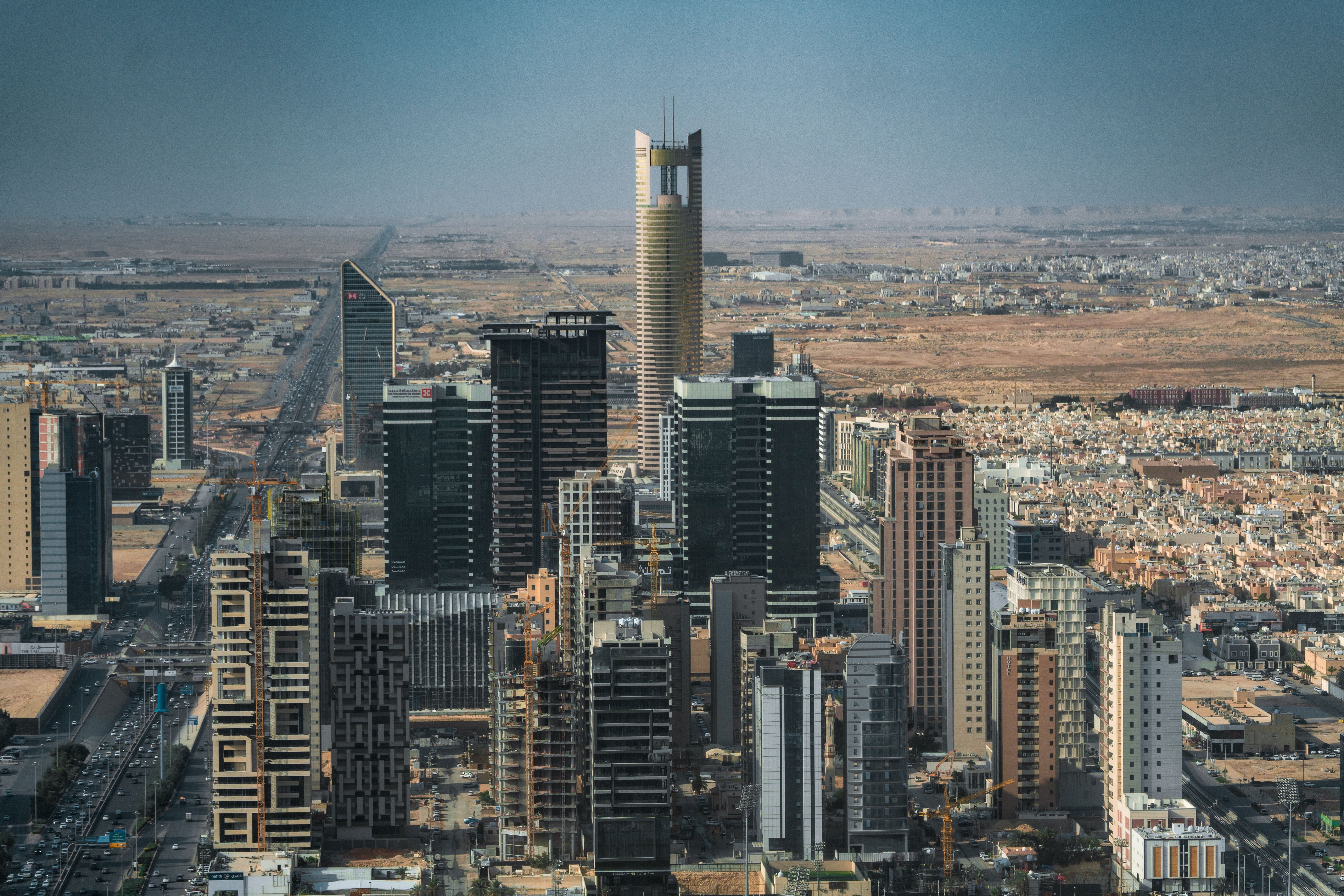
At the heart of these changes lies Vision 2030, an ambitious framework introduced in 2016. This comprehensive plan seeks to reduce the country's reliance on oil, expand public service sectors, and enhance the quality of life for citizens. Vision 2030 is structured around three key themes: a vibrant society, a thriving economy, and an ambitious nation.
The program focuses on sectors such as tourism, entertainment, and technology, aiming to create a more diversified and sustainable economy. By fostering an environment of innovation and entrepreneurship, Saudi Arabia is paving the way for a new era of economic growth.
National Industrial Development and Logistics Program (NIDLP)
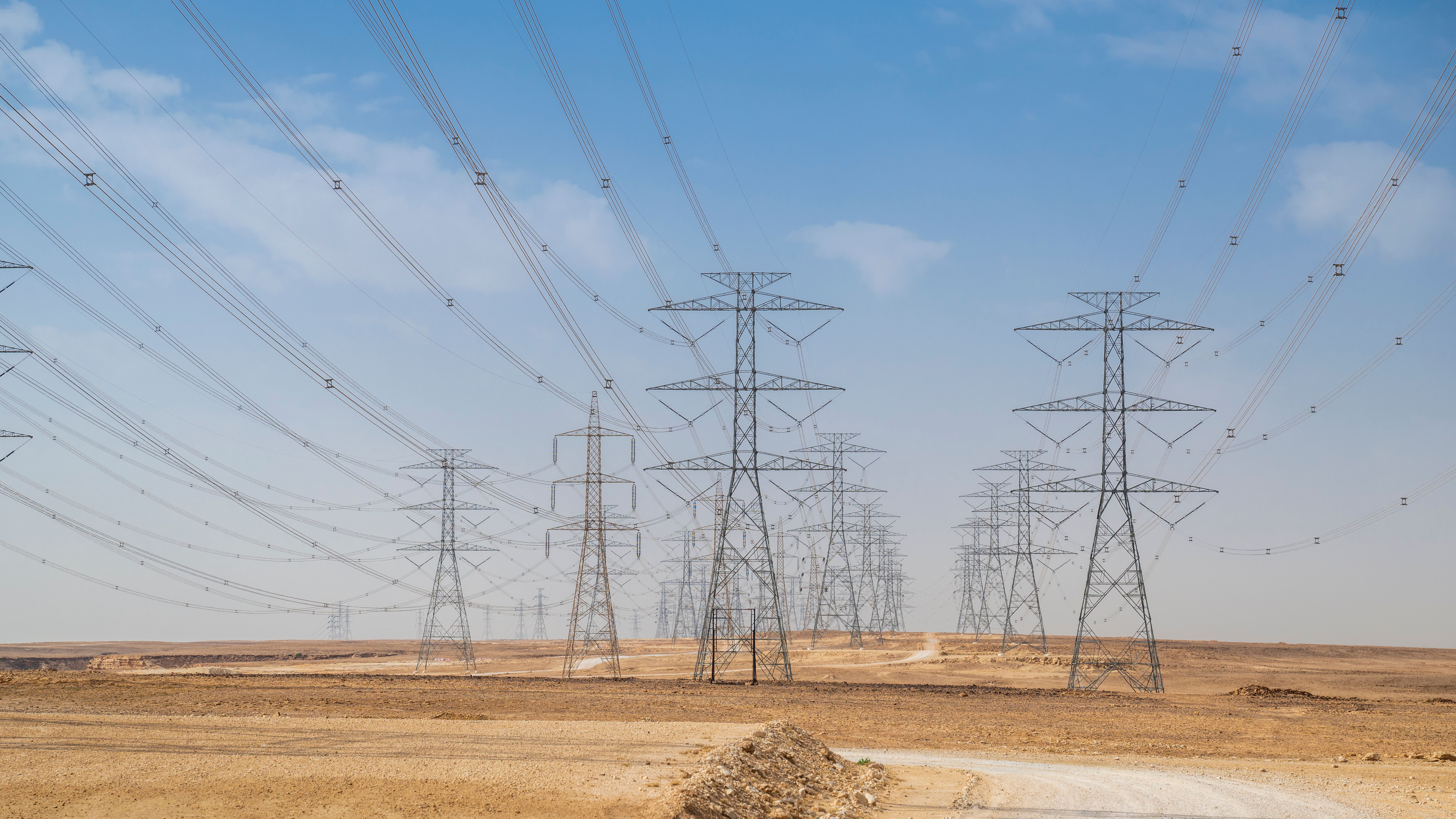
The National Industrial Development and Logistics Program is a cornerstone of Saudi Arabia's economic strategy. This initiative aims to transform the Kingdom into a global logistics hub, enhance the mining sector, and bolster the manufacturing industry. By investing in infrastructure and cutting-edge technologies, NIDLP is set to create numerous job opportunities and attract foreign investment.
Key Components of NIDLP
- Developing industrial cities and zones
- Enhancing supply chain capabilities
- Investing in renewable energy
Fiscal Balance Program: Ensuring Economic Stability
Another critical aspect of Saudi Arabia's strategic economic programs is the Fiscal Balance Program. This initiative focuses on maintaining economic stability by controlling public expenditure and increasing non-oil revenues. Through fiscal discipline and strategic reforms, the program aims to achieve a balanced budget and enhance the financial health of the nation.
Key measures include subsidy reforms, tax adjustments, and the implementation of efficient government spending practices. These efforts are designed to ensure long-term fiscal sustainability and resilience against global economic fluctuations.
The Impact on Global Markets
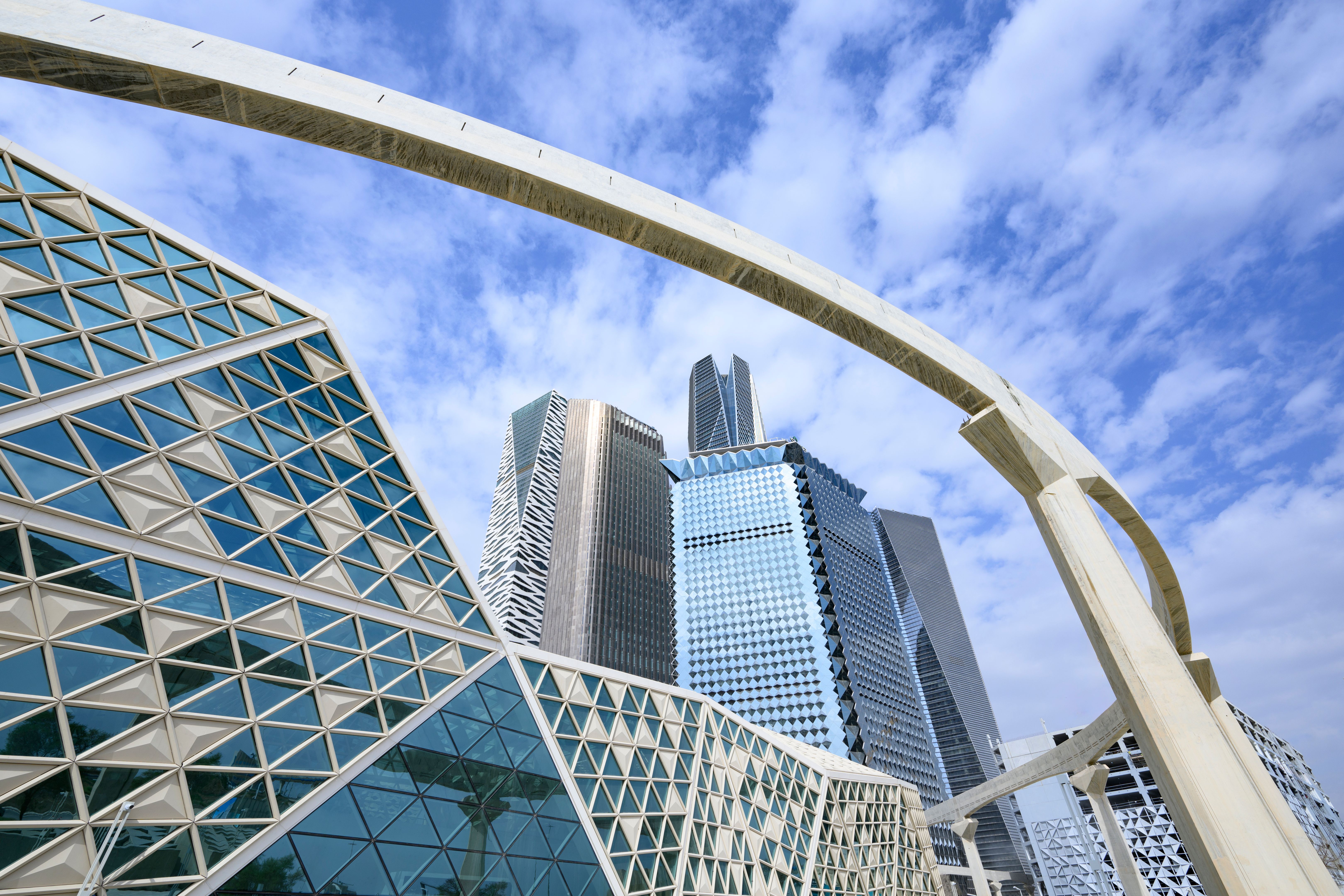
Saudi Arabia's strategic economic programs have far-reaching implications for global markets. As the Kingdom diversifies its economy, it opens up new avenues for international trade and investment. Foreign investors are increasingly attracted to Saudi Arabia's burgeoning sectors, creating a ripple effect that enhances global economic integration.
Furthermore, these initiatives contribute to stabilizing global oil markets by reducing the Kingdom's dependence on oil exports. This strategic shift not only benefits Saudi Arabia but also has a stabilizing effect on global energy prices.
Conclusion
Saudi Arabia's strategic economic programs represent a bold vision for the future. By diversifying its economy and investing in key sectors, the Kingdom is poised to become a major global economic powerhouse. These initiatives promise not only to transform the domestic landscape but also to foster greater international collaboration and economic stability.
As these programs continue to unfold, they offer valuable insights into the potential of strategic economic planning and its impact on both national and global scales.